RUNNER GIRL -By NaTasha A. Bailey
Running Is Part of My Story:
What a Lifetime of Movement Means to Me
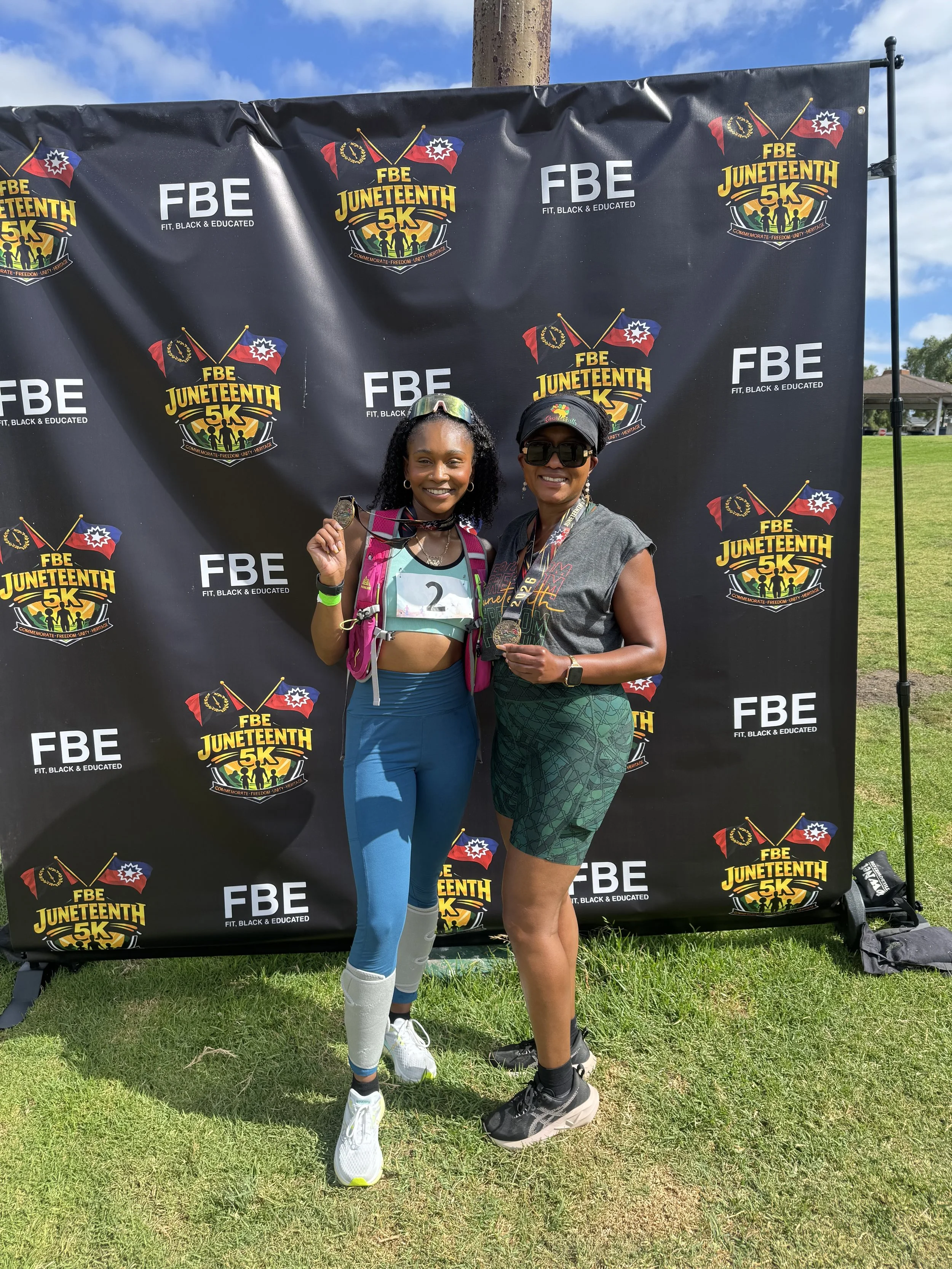
Running has been part of my life for as long as I can remember.
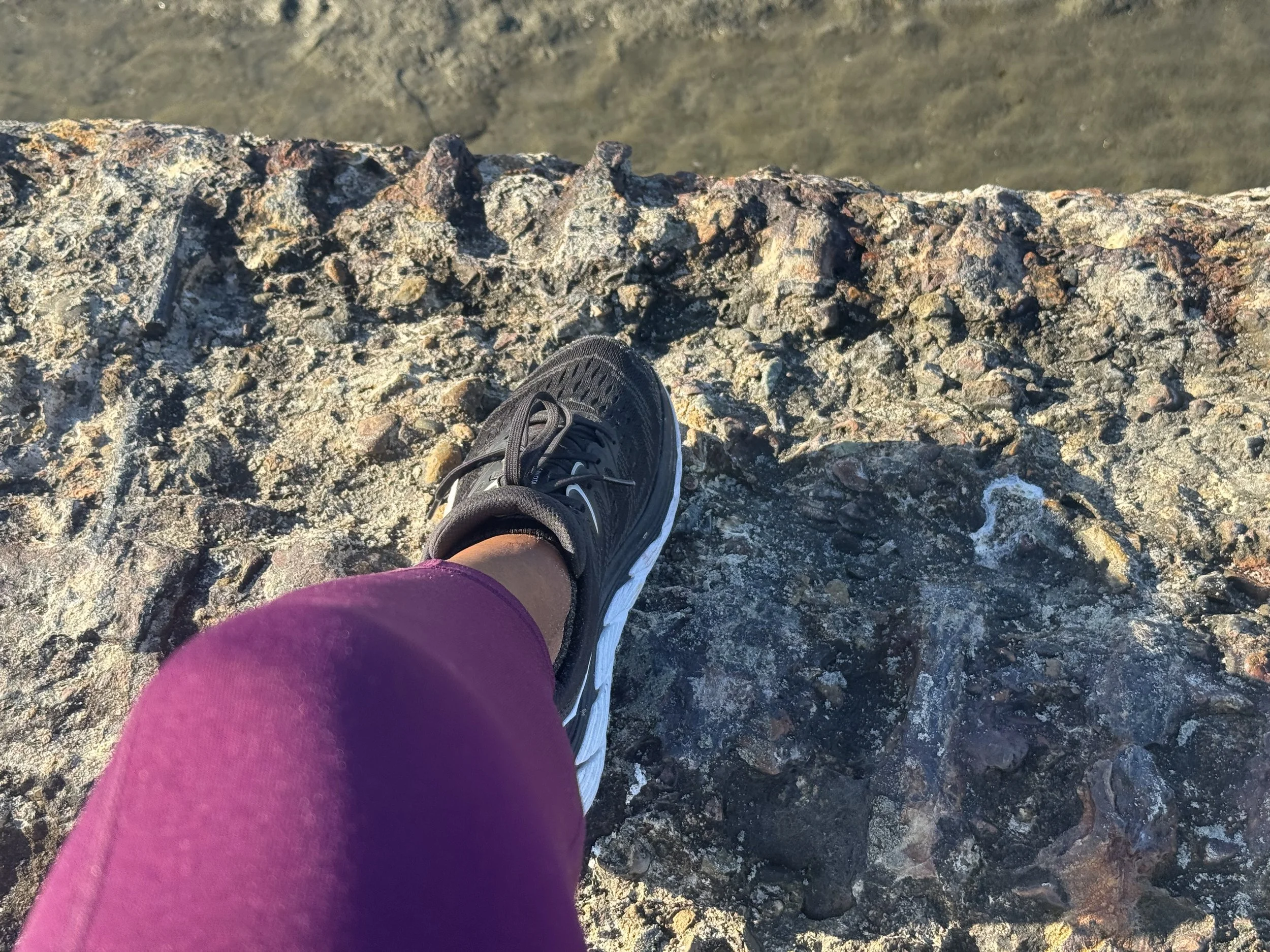
I began running cross-country and track in elementary school. I attended a Track and Field Magnet school, where I was introduced to the sport at an early age. Somewhere between the starting lines, relay exchanges, long practices, tired legs, and the feeling of crossing a finish line, I fell in love.
Running became more than an activity I participated in. It became part of who I am.
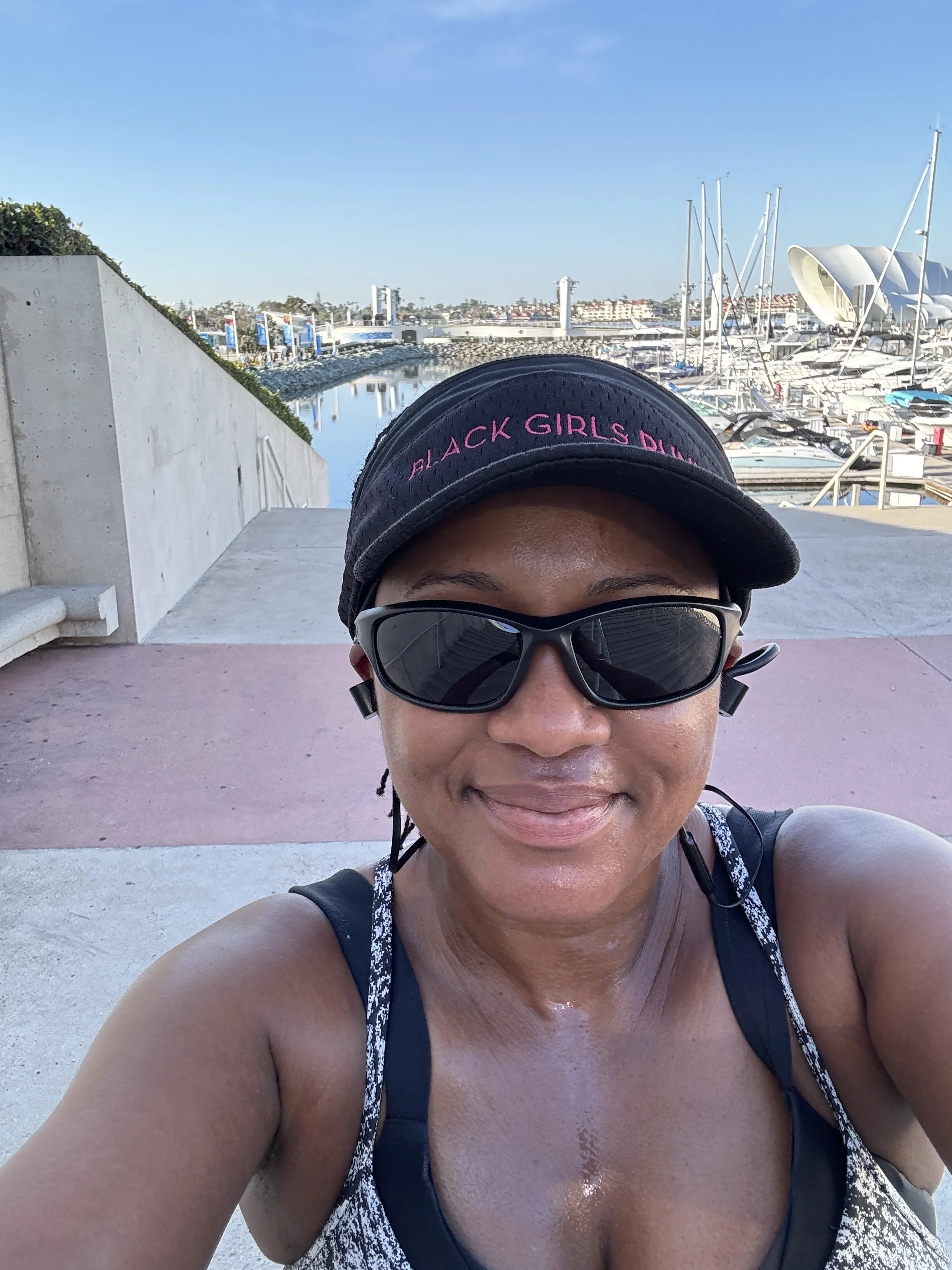
Now, as I approach 50 years old in a few months! I find myself reflecting on the many seasons of life that running has carried me through. Running has been with me through childhood, motherhood, career changes, personal growth, stressful seasons, and moments of celebration. It has taught me how to keep moving when something feels difficult, how to pace myself, and how to recognize when my body needs rest.
Running has reminded me that progress does not always happen quickly. Sometimes progress looks like giving your best effort. Sometimes it looks like slowing down. Sometimes it looks like stopping long enough to catch your breath—and then beginning again.
More Than Miles
For me, running creates space.
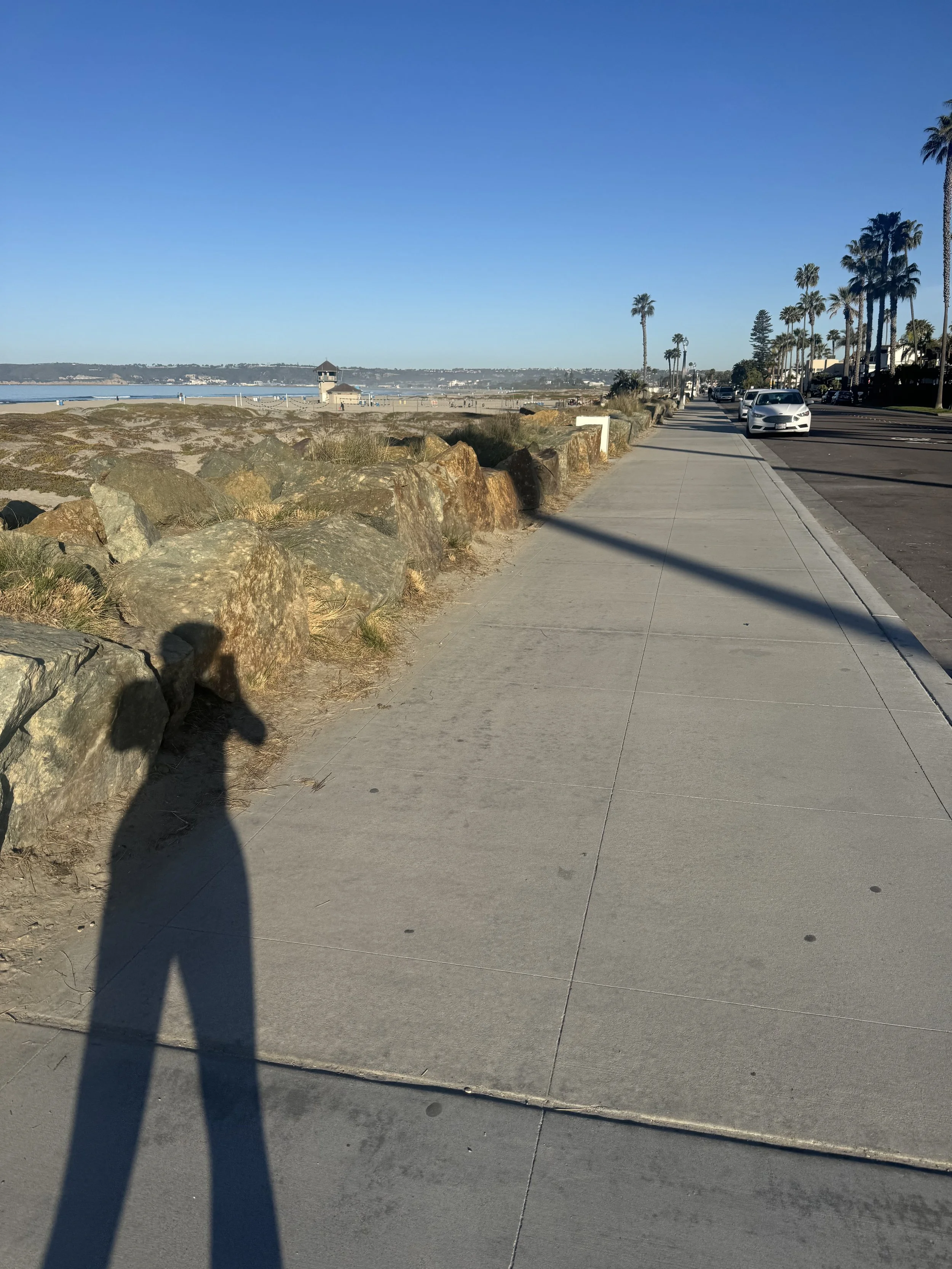
There is something deeply grounding about the rhythm of my feet meeting the pavement, the steadiness of my breathing, and the quiet that begins to settle inside my mind. When I run, the noise of the day starts to soften. Thoughts that once felt tangled may begin to loosen. Emotions that have been sitting heavily in my body finally have somewhere to move.
Running does not make every problem disappear, but it often helps me return to myself.
It gives me an opportunity to check in with my body, clear my mind, and release some of the stress I may have been carrying. It reminds me that I am strong, capable, and still becoming.
Perhaps that is one of the most meaningful lessons running has taught me: I do not have to remain emotionally stuck simply because life feels heavy. I can take the next step. Then another. Then another.
Why Movement Supports Mental Health
My experience with running is personal, but the connection between physical movement and emotional wellness is also supported by research.
The Centers for Disease Control and Prevention reports that even one session of moderate-to-vigorous physical activity can provide immediate health benefits, including reduced feelings of anxiety and improved sleep quality. Over time, regular physical activity is also associated with a reduced risk of depression and benefits for brain health.
A large 2024 systematic review examined 218 studies involving more than 14,000 participants experiencing depression. Researchers found that several forms of exercise reduced depressive symptoms, with walking or jogging, yoga, and strength training among the most effective approaches studied.
The World Health Organization also emphasizes that movement is not limited to formal workouts. Physical activity can include walking, cycling, sports, recreation, household activities, and other forms of bodily movement. WHO notes that physical activity can reduce symptoms of anxiety and depression while supporting sleep, cognitive health, and overall well-being.
Unfortunately, nearly one-third of adults around the world do not meet the recommended level of at least 150 minutes of moderate-intensity activity each week. The good news is that movement does not have to be perfect, intense, or complicated to count. WHO reminds us that any amount of physical activity is better than none.
Movement is not a replacement for therapy, medication, medical care, or other needed mental-health treatment. However, it can become one valuable part of a larger emotional-wellness plan.
A Legacy I Get to Share
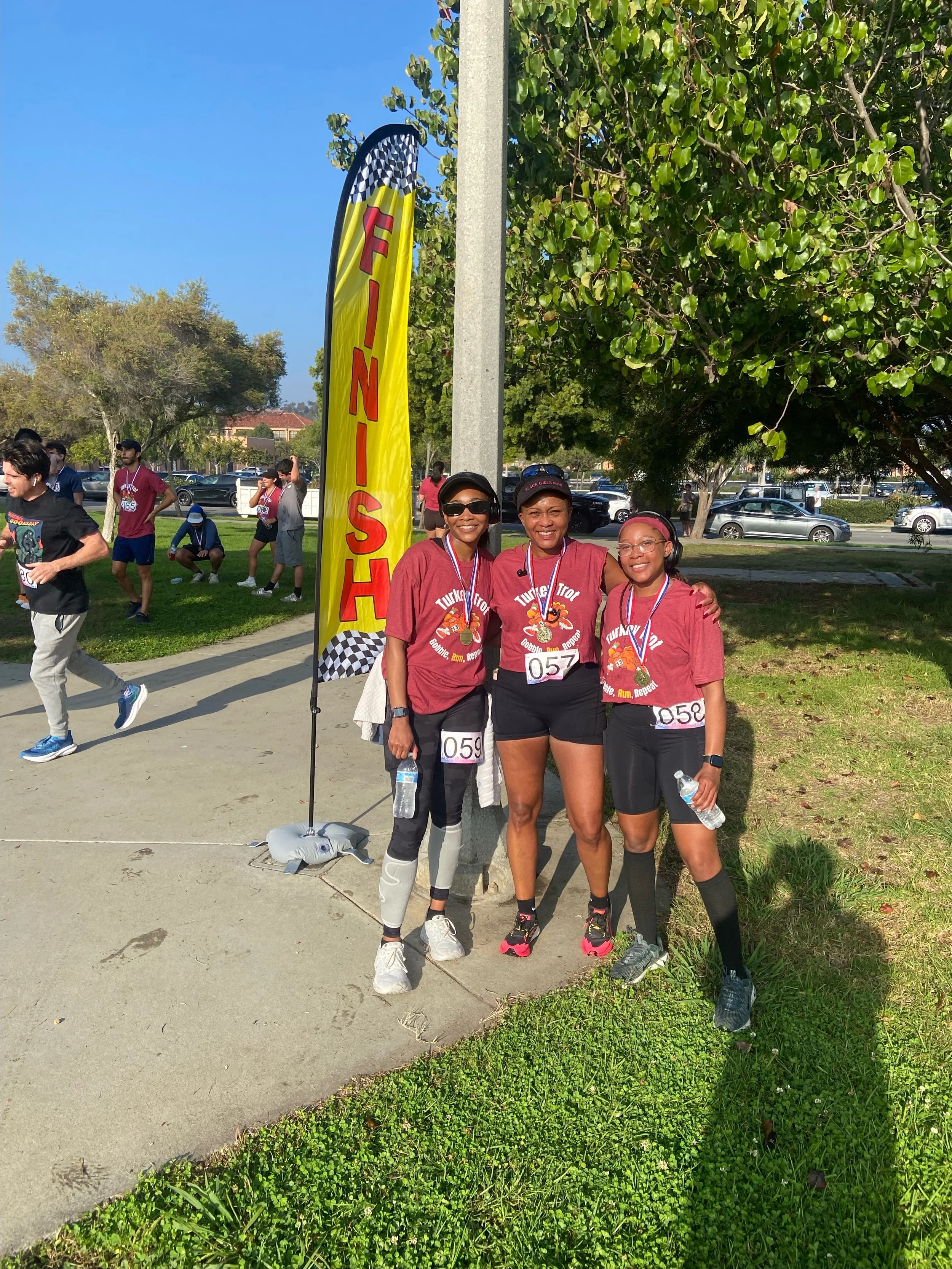
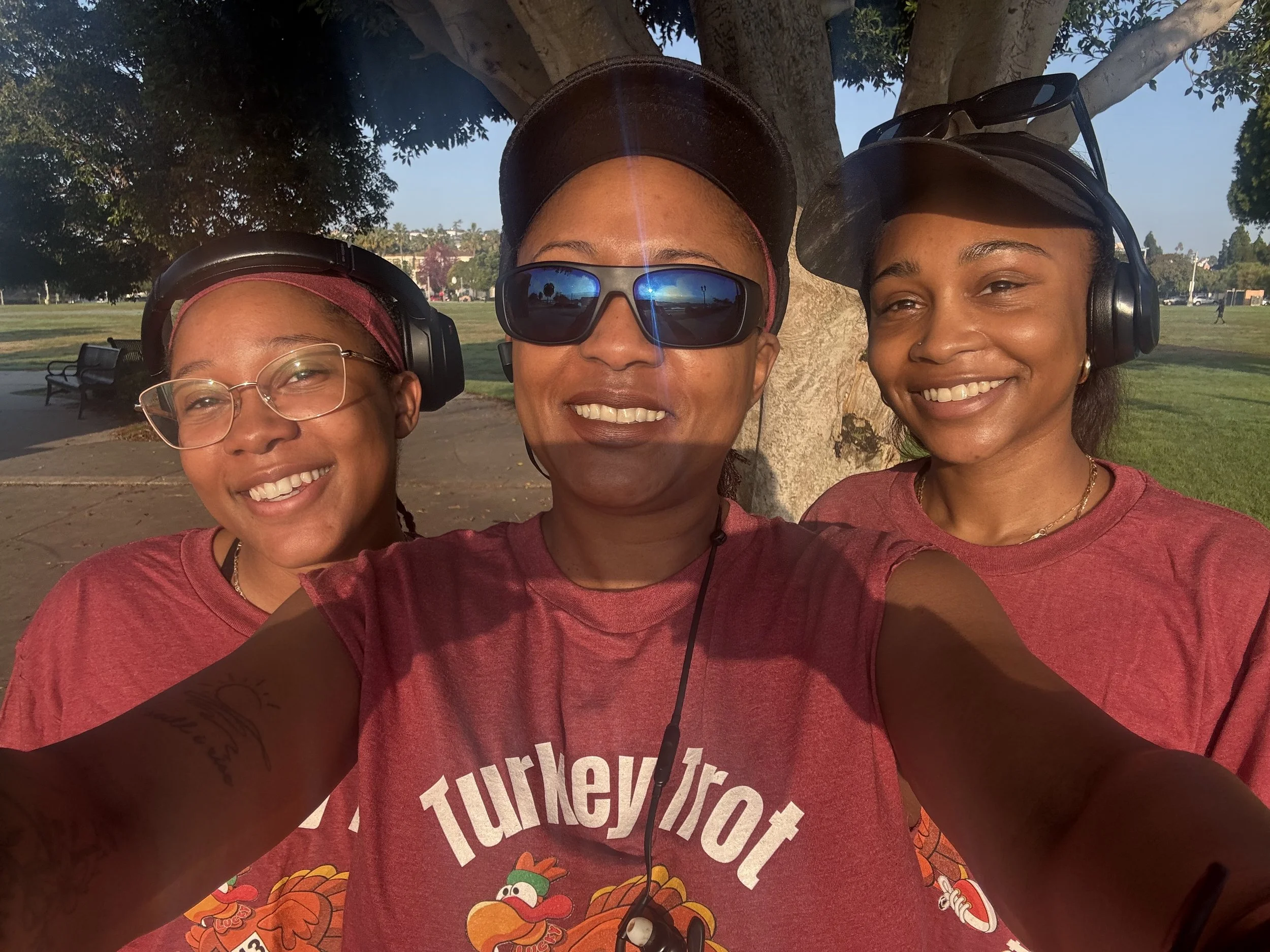
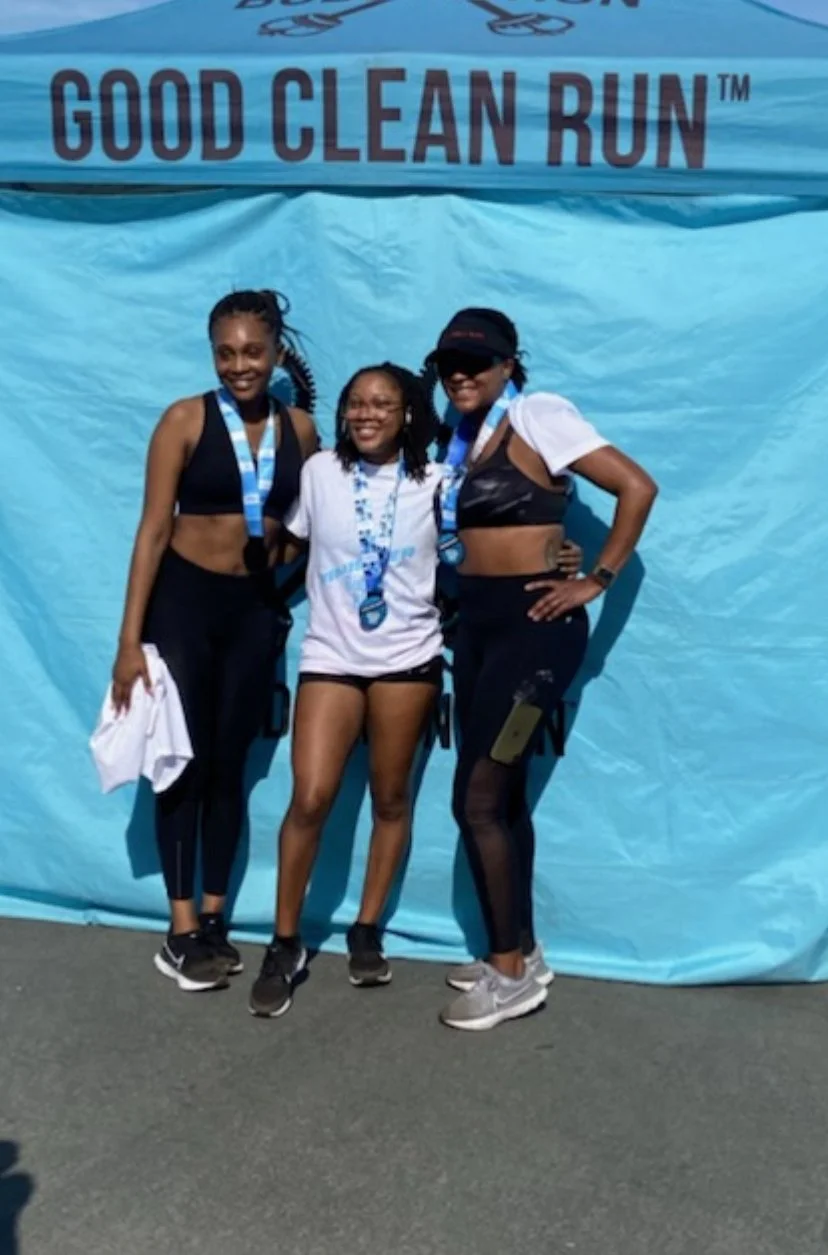
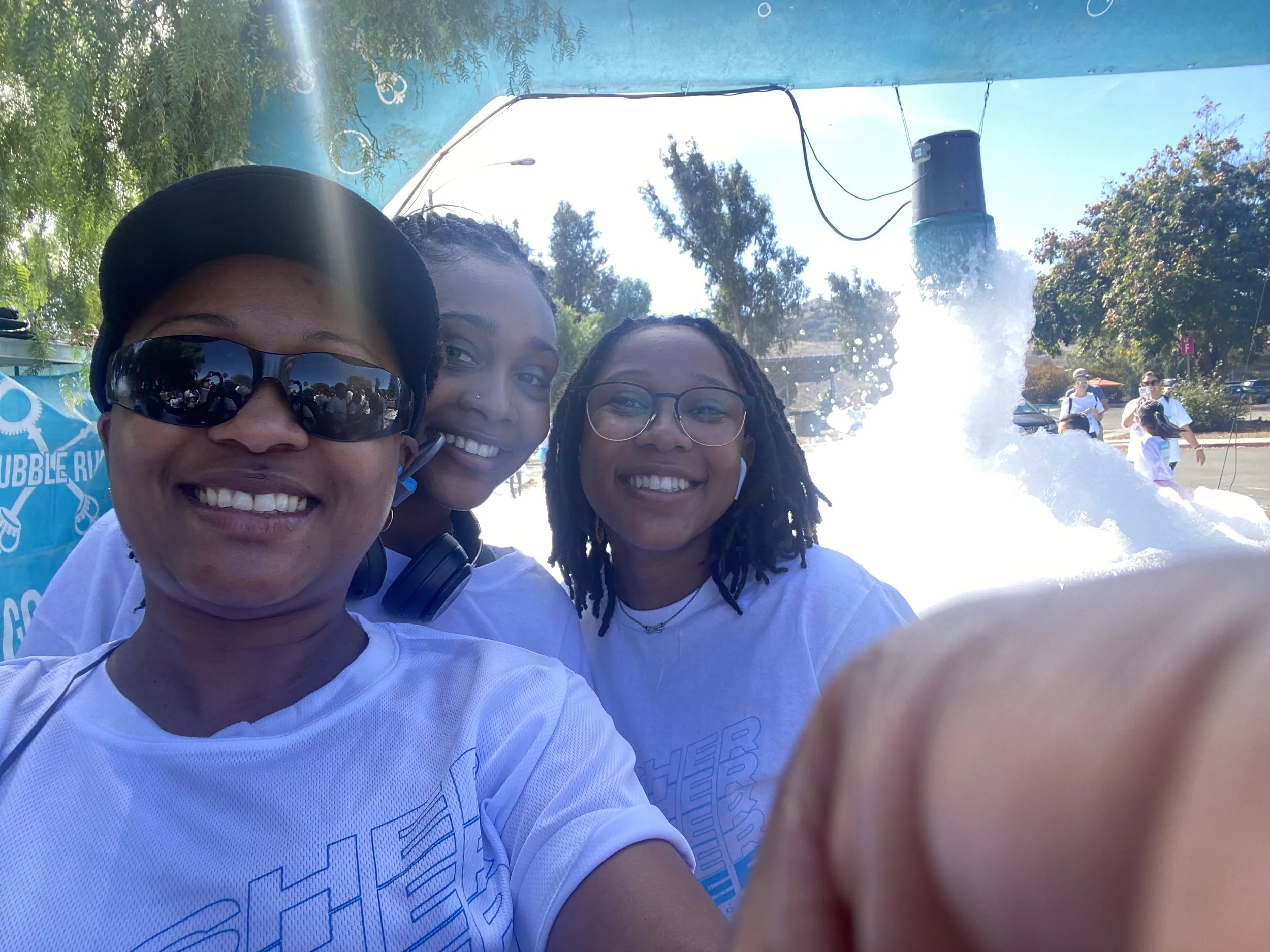
One of the greatest joys of my journey is watching my two oldest daughters fall in love with running, just like their mother.
There is something special about seeing your children connect with an activity that has carried you through so much of your own life. Watching them run makes me proud, but it also makes me emotional. It feels as though a small piece of my story is continuing through them.
I hope they receive more from running than endurance, speed, or athletic achievement. I hope it teaches them to trust their bodies. I hope they learn that strength and gentleness can exist together. I hope they understand that rest is not failure and that their worth is never measured by a time on a clock or a place in a race.
Most of all, I hope movement gives them a place where they can feel free.
Marking the Journey
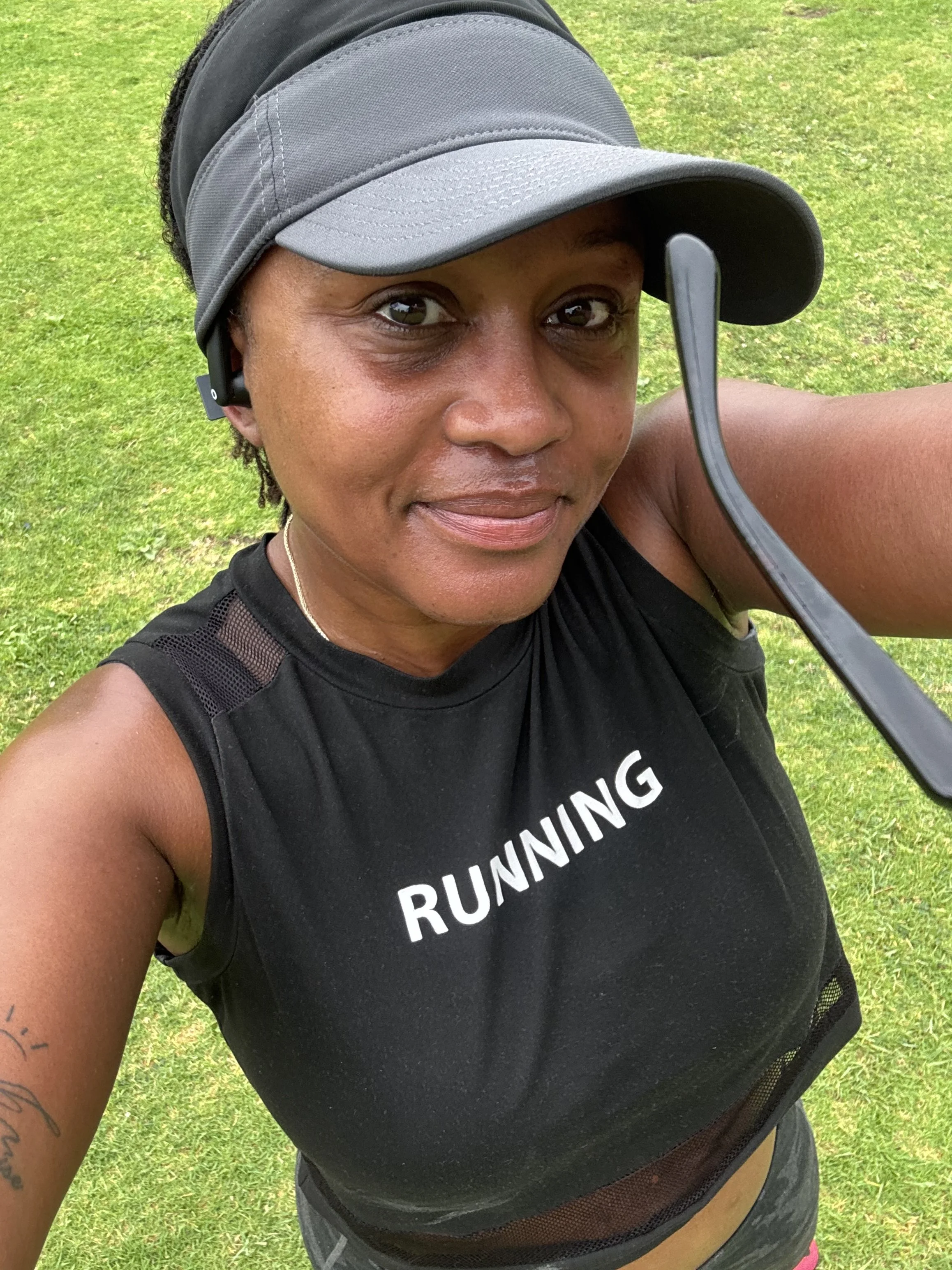
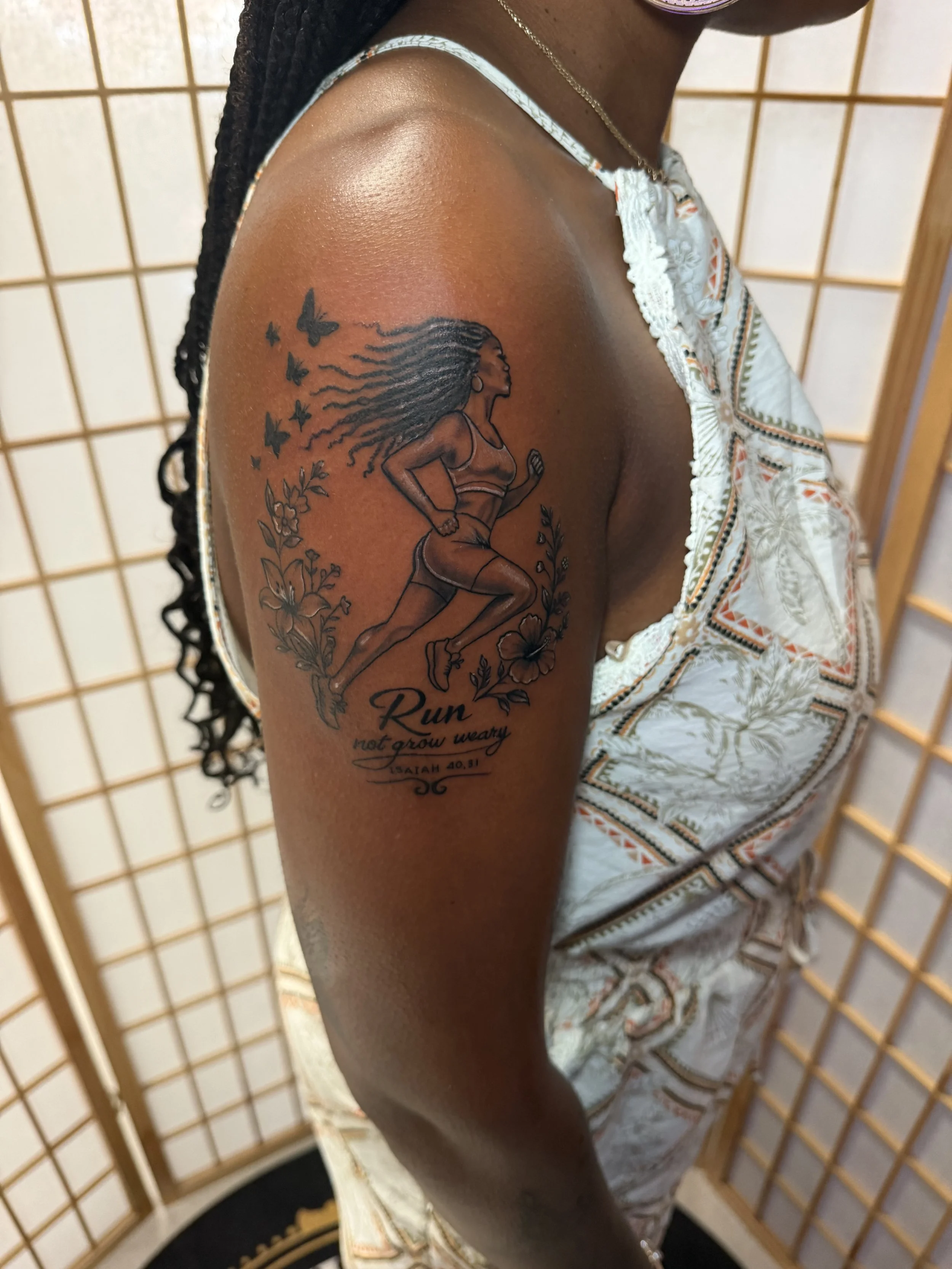
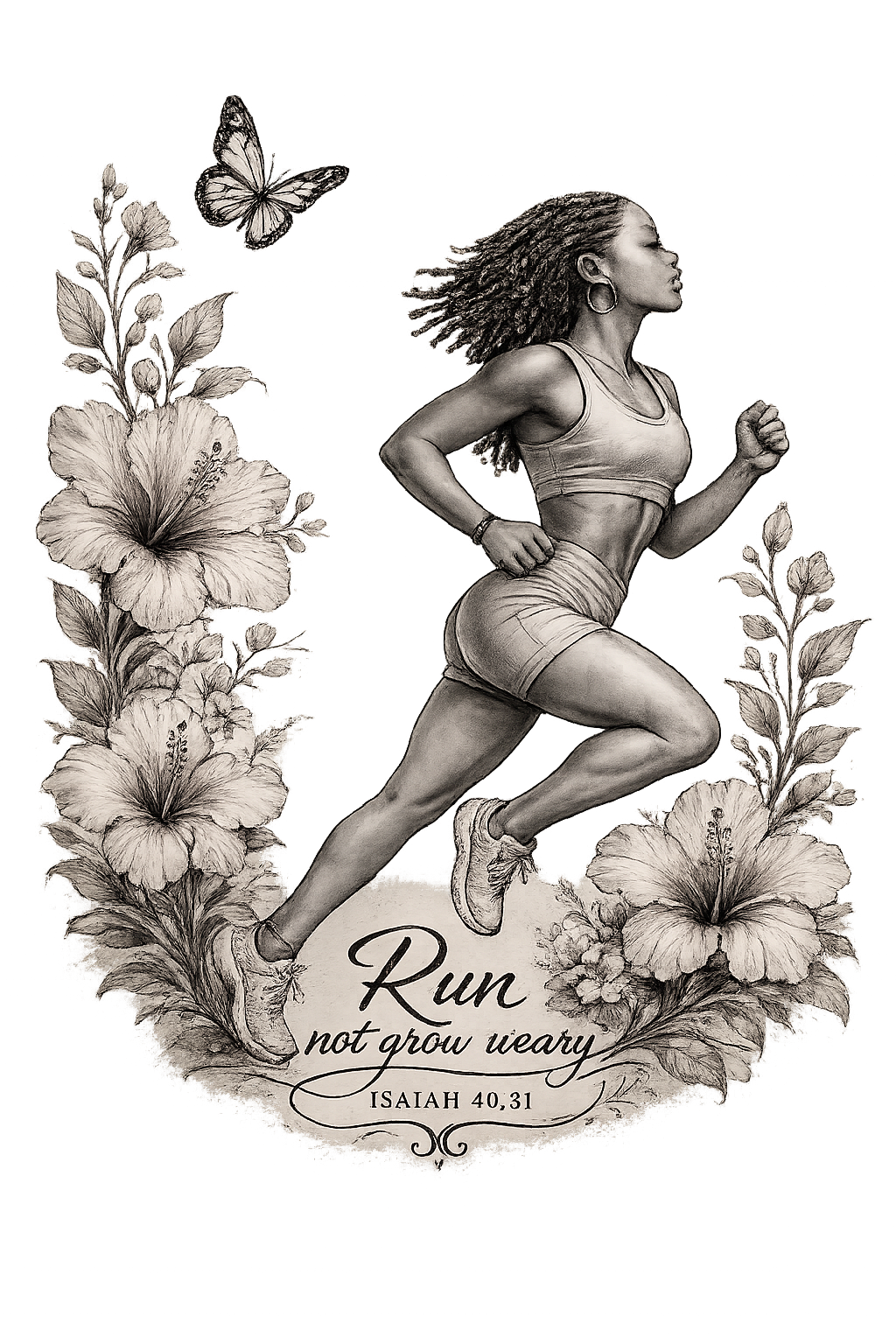
As I approach this new decade of life, I recently chose to get my first tattoo to represent my life as a runner.
The tattoo is more than an image. It is a marker of where I have been and a promise to honor the part of myself that has continued to move forward through every season.
It represents the little girl who first discovered the track.
It represents the young woman who learned discipline and endurance.
It represents the mother who passed her love of running to her daughters.
And it represents the woman I am becoming as I approach 50—still moving, still growing, still finding her rhythm.
I often joke that if I ever reach the point where I cannot run anymore, we are going to have a problem. Running has been with me for so long that imagining life without it feels almost impossible.
Still, aging is also teaching me that my relationship with movement may continue to evolve. Perhaps there will be seasons when I run more slowly. Perhaps I will need longer recovery periods. Maybe walking, strength training, stretching, dancing, or another form of movement will support my body differently.
The pace may change, but the relationship does not have to end.
What Movement Feels Like Home to You?
Running is my lifelong movement. It is part of my history, my healing, my family, and my identity.
What is yours?
What form of movement helps you breathe more deeply, feel more present, or come home to yourself? Is it walking, dancing, swimming, cycling, yoga, hiking, lifting weights, gardening, or playing with your children?
Your movement does not have to look like anyone else’s. It does not have to be competitive or impressive. It only needs to feel supportive, accessible, and meaningful to you.
Consider asking yourself:
What is one form of movement I would like to carry with me throughout my life?
Our bodies hold our stories. Through movement, we can create space for those stories to breathe, shift, strengthen, and continue unfolding.
For me, that story will always include running.